Why Utah Siding Takes a Beating
Utah weather doesn't do anything halfway. One week it's sixty degrees and sunny in the valleys, the next there's a hard freeze, and by spring the wind is pushing dust against every south-facing wall. If you own a home anywhere in the state, from the Wasatch Front to the red rock country down south, your siding is working harder than you probably realize.
The good news is that most siding problems start small and show signs first. A hairline crack, a bit of faded paint, a gap at a corner trim. Catching those early is the whole game. The rest of this guide walks through what to look for in each season so you can do a quick walk-around yourself and know when it's time to call in help.
Spring: Look for Winter's Leftovers
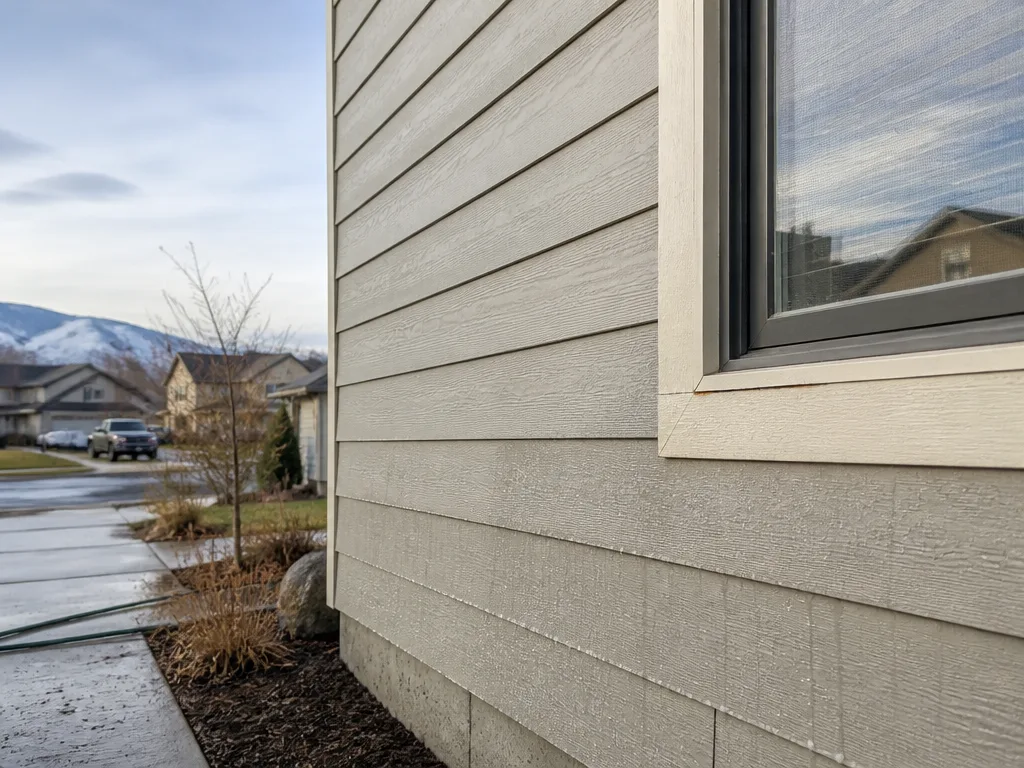
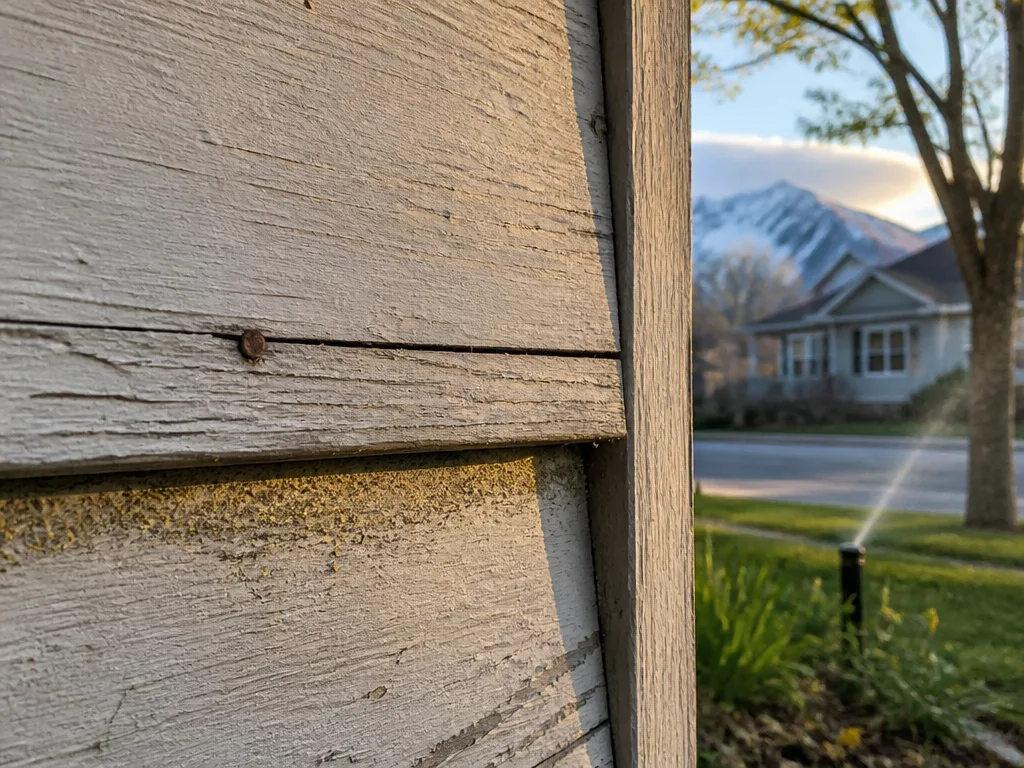
Spring is when the damage from winter shows up. Freeze and thaw cycles push moisture into tiny gaps, then the water expands and widens them. Walk the full perimeter of your house and look for vinyl panels that have popped out of their track, fiber cement with new hairline cracks, or wood lap siding that's started to cup or split.
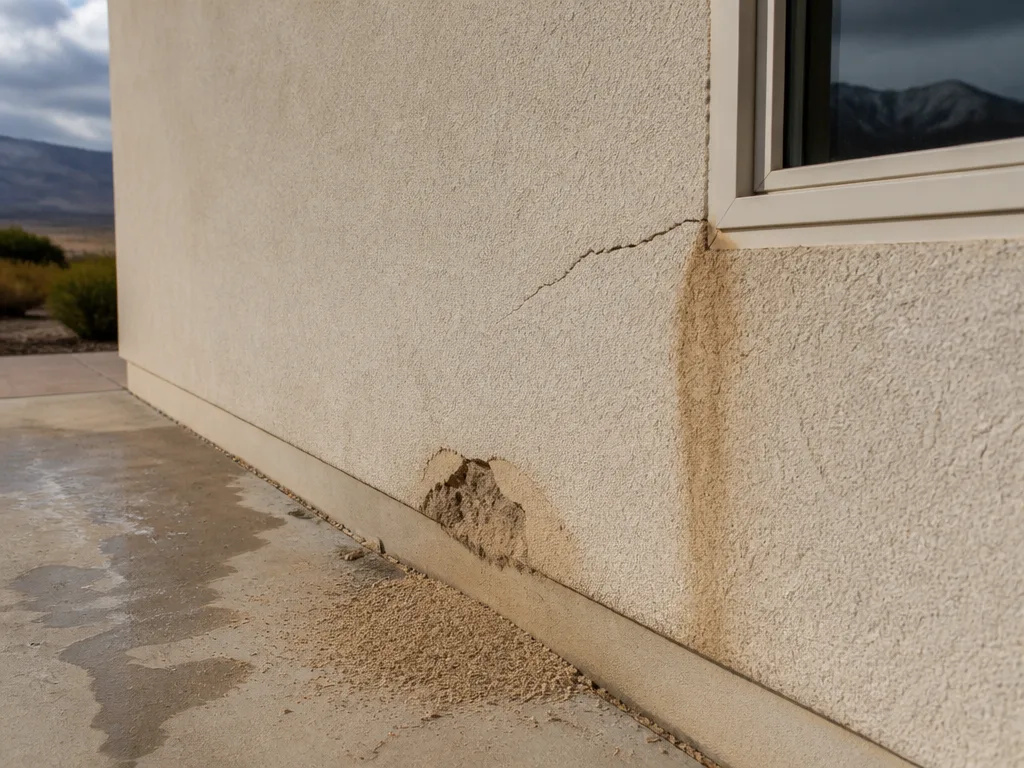
Pay attention to the bottom edge of your siding, especially where it meets the foundation or the deck. Mud splashback from spring storms can hold moisture against the lower course for weeks. Scrape off any buildup and let the area dry before you decide whether it needs a repair.
A quick spring checklist
- Check for loose or bowed vinyl near corners and under windows.
- Look for cracks in fiber cement, especially around nail heads.
- Run your hand along wood siding and feel for soft spots.
- Make sure gutters are clear so runoff isn't pouring down one wall.
Summer: Sun, Heat, and Dust
Utah summers are hard on paint and finish. UV exposure at our elevation is strong, and south and west walls take the brunt of it all afternoon. Fading is the first thing you'll notice, followed by chalking, where a powdery residue comes off on your hand when you rub the surface.
Dust is the other summer factor. Dry winds from the desert bring fine grit that settles into the seams of siding and dulls the finish. A gentle rinse with a garden hose and a soft brush, done in the morning before the sun hits the wall, does more than most people expect. Skip the high-pressure washer. It can force water behind panels and damage the surface you're trying to protect.
Watch for expansion too. Long vinyl runs can buckle on the hottest days if they were installed too tight. If you see a panel bulging or a seam pulling apart, make a note and have it looked at before fall.
Fall: Get Ready for the Freeze
Fall is the best time to do repairs in Utah. Temperatures are mild, the ground isn't frozen, and caulk and sealants cure properly. Once the nights drop below freezing for good, many jobs get harder and more expensive to do well.
Start with caulk around windows, doors, hose bibs, and any place where siding meets trim. Cracked or shrinking caulk lets water in, and water is what turns a cosmetic problem into rot. Scrape out the old bead, clean the joint, and run fresh sealant that's rated for exterior use and for the temperature swings we get here.
Fall priorities that pay off
- Reseal gaps at window and door trim before the first hard freeze.
- Check that downspouts discharge well away from the foundation.
- Touch up exposed wood or bare spots on painted siding.
- Trim shrubs and vines that hold moisture against the wall.
Winter: Watch the Snow Line and the Ice
Winter in Utah is mostly about moisture management. Snow piles up along the base of the house, and when it melts during a warm spell, that water sits against your siding. Keep snow pushed back at least a foot or so from the wall where you can, and don't pile it up against the lower courses.
Ice dams and icicles can pull gutters away from fascia and drag siding with them. If you notice a sagging gutter or a crack in the panel just under the roofline after a storm, take a photo and call someone out to look at it. Don't pry at frozen siding with a metal bar. You'll crack the panel you're trying to save.
Interior signs matter too. Peeling paint on the inside of an exterior wall, a musty smell near a window, or a stain on the ceiling under the eave can all point to water getting past the siding. Those are worth a closer look even when the weather is still cold.
When to Call Siding Salt Lake City
Some things are fine to watch and monitor. Others need hands on them sooner. If you see a panel that's cracked through, a section pulling away from the wall, rot in wood siding, or water staining that keeps coming back, pick up the phone. Our crew works with homeowners across Utah, from city lots in the north to rural properties in the south, and we're happy to talk through what you're seeing over the phone so you know what to expect.
Whatever season it is, a short walk around the house every few months beats waiting for a problem to announce itself. Give the siding a look, note what's changed, and deal with small things while they're still small. That habit alone will save you more headaches than almost anything else you can do for the outside of your home.