A fresh siding job looks sharp the day the crew packs up. Then the weather starts working on it. Utah throws a lot at a house: hot afternoons on west-facing walls, freezing nights in the foothills, dry wind that carries grit, and the occasional hailstorm that comes out of nowhere. The good news is that most of the problems people run into after a siding install are small, slow, and easy to catch early. The trick is knowing where to look.
At Siding Salt Lake City, we work with homeowners all over the state, from the Wasatch Front to the southern valleys and up into the mountain communities. Every one of those places has its own quirks. Here is what we tell people across Utah who want their siding to keep looking the way it did on installation day.
Start with the first 90 days, not the first 90 years
The first few months after a siding job tell you a lot. Settling happens. Caulk cures and shifts a little. Fasteners that were set a hair off can start to show. Walk the house once a month for the first season and look at the places where two materials meet: around windows, along corner trim, at the bottom edge where siding meets the foundation, and under any hose bibs or light fixtures that were reattached during the job.
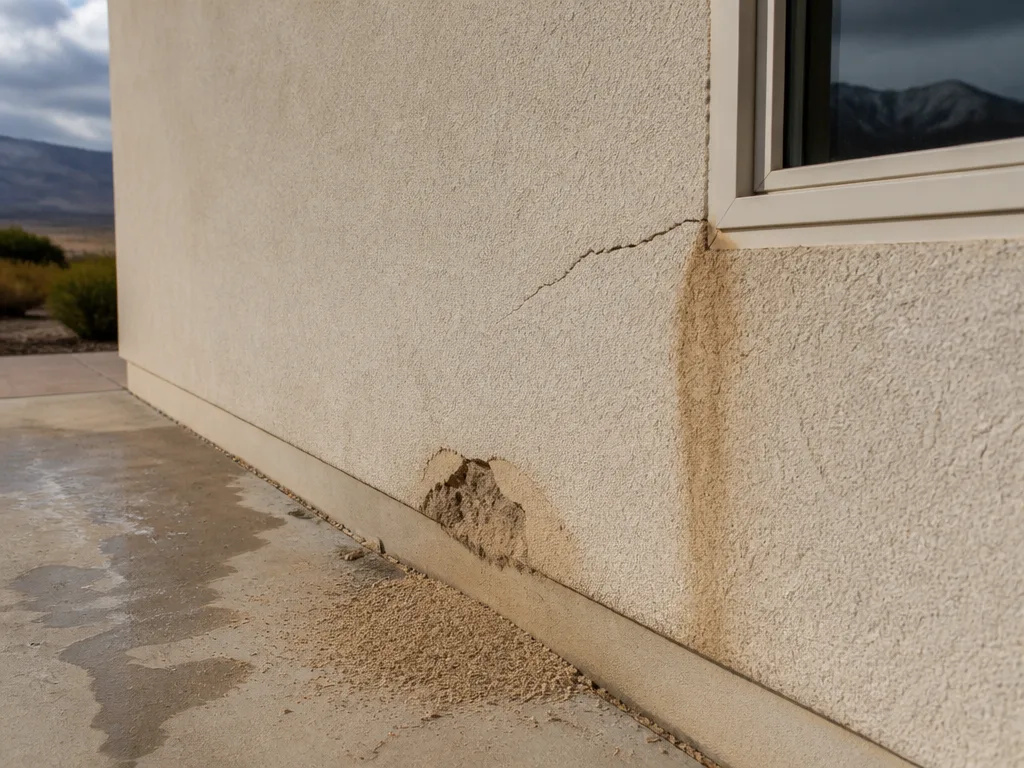
Look for hairline gaps in caulk, lifted corners on trim, and any spot where paint looks chalky or thin. None of that is an emergency. It is just the moment to make a call before water finds the gap. Small fixes in the first season cost a lot less than rebuilding a wall section later, and they keep the rest of the installation from being affected.
If something looks off and you are not sure whether it is normal, give our office a call. We would much rather hear about a small question early than find out about a bigger one during a windy week in February.
Keep water moving the right direction
Most siding trouble starts with water that sits where it should not. A few habits go a long way toward preventing that.
- Keep gutters clear, especially after fall leaves and spring cottonwood season. A clogged gutter that overflows will run down the siding every time it rains.
- Check downspout extensions so water leaves the house at least several feet from the foundation. Splash-back soaks the lower courses first.
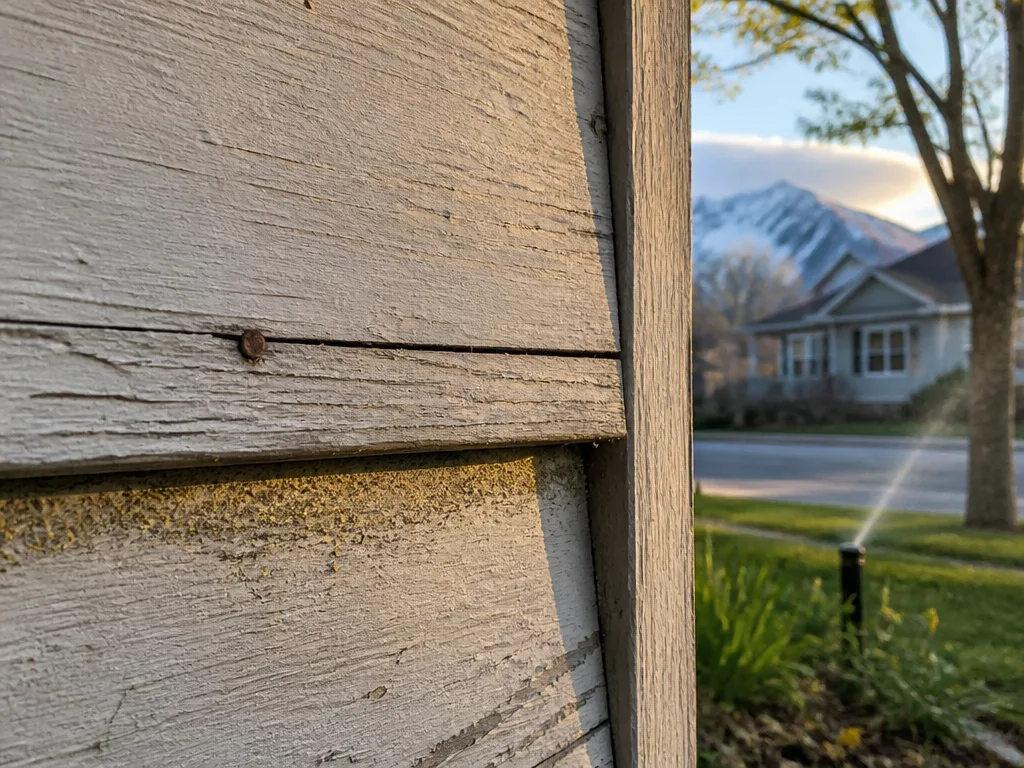
- Aim sprinklers away from the siding. Daily overspray on the same spot wears paint, softens trim, and invites rot in wood components.
- Watch the grade along the base of the wall. Soil that has settled toward the house or been built up with mulch can hold moisture against the bottom edge.
Our crews often find that the worst siding damage on a home is not on the sunny side. It is on the shady north wall where the ground stays wet and the sun never dries the boards out. Walk that side of the house too.
Clean without damaging the finish
Dirt and pollen on siding are more than a cosmetic problem. They hold moisture against the surface and feed mildew in shady areas. Cleaning once or twice a year keeps things in good shape, as long as you do it gently.
Use a garden hose with a wide, low-pressure nozzle. Start at the bottom of each section and work upward so you do not leave streaks. Mix a mild soap with water for stubborn spots, and rinse thoroughly so no residue dries on the surface. Skip the high-pressure washer. A strong jet can force water behind lap joints, push past caulk, and chip painted finishes that took real effort to get right.
Use a soft brush for the lower third of the wall, where dirt builds up fastest. Test any cleaner on a small hidden area first, especially on darker colors, because some products fade paint faster than you would expect in Utah sun.
Respect the sun, the cold, and the wind
Utah weather is hard on exterior finishes. The side of a house that faces west or south gets the most UV exposure and the biggest temperature swings. Over time, that exposure can chalk paint and dull color, especially on darker shades. If you notice fading on one elevation first, that is normal, and a plan for periodic repainting or touch-up is a smart idea.
Freeze and thaw cycles are the other challenge. Water that gets into a small crack will expand when it freezes and widen the gap. Look for those cracks in late winter and early spring, when the weather is changing fast. Seal them promptly with a matching exterior product, and make sure the sealant is rated for the temperature range where you live.
Wind matters too. Loose trim, panels that rattle, and fasteners that back out can all show up after a strong windstorm. Walk the house after big wind events. If a panel is flexing or a piece of trim has moved, do not wait for the next storm to decide it is fine.
Know what to inspect after storms and hail
Hail is one of the most common reasons people call after a siding job, and it is not always obvious from the ground. Dents on aluminum or vinyl can look minor from the sidewalk but crack when the temperature drops. Fiber cement may show chips or fine fractures that catch water over time. Stand back at a low angle in the morning light and look for shiny spots, dimples, or cracked edges.
After any severe storm, check the caulk lines around windows and doors, the trim at the roofline, and any vents or flashing that meet the siding. Those transition points take the most stress, and they are where small problems turn into leaks.
When to call in a siding specialist
Some problems are worth fixing yourself. Clearing gutters, adjusting sprinklers, and rinsing the wall are all reasonable homeowner tasks. Other problems need a trained eye. If you see soft spots when you press on trim, water stains that show up after rain, or siding panels that have pulled away from the wall, bring in a siding specialist before the damage spreads to sheathing or framing.
Our team at Siding Salt Lake City is glad to talk through what you are seeing, whether you are in a Wasatch Front suburb, a rural town, or somewhere in between. Give us a call, describe the spot, and tell us how long you have noticed it. That kind of detail helps us point you in the right direction without guessing.
Keeping siding in good shape across Utah is not complicated. It is a matter of looking at the house regularly, keeping water moving away from the walls, cleaning gently, and paying attention after big weather. Do those things consistently and your siding will keep doing its job for years, through every season this state can throw at it.